
Historical Places
Historical Buildings, PLaces and SCULPTURES
Historical buildings, places of interest, museums and galleries in the City of Como and the surrounding western arm of Lake Como. For further information, click on the Map (Google) button or website link. For the latest information, check out our Facebook page, and please subscribe.
Tip: Some venues may be closed due to the season, refurbishment, or funding issues. Before each visit, please check they are open. Also, a booking may be required in advance, or the venue may request a visit by appointment only.
Tempio Voltiano
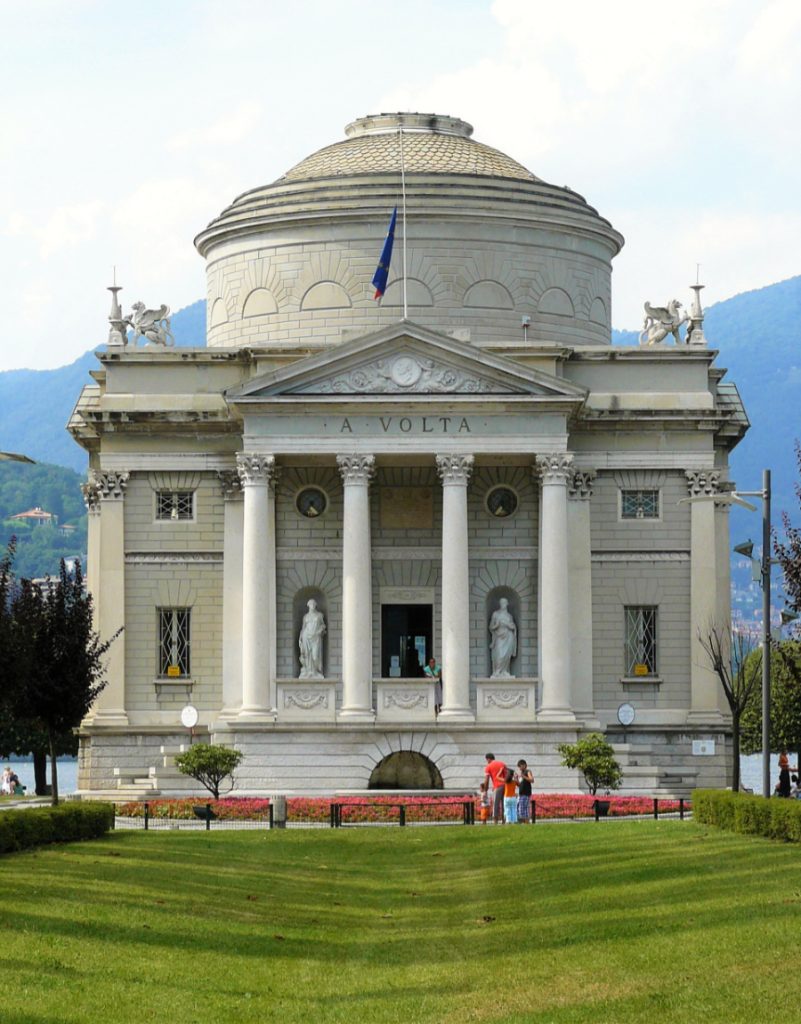
Viale Guglielmo Marconi, 1, 22100 Como
The Tempio Voltiano is a museum dedicated to Alessandro Volta, a scientist and the inventor of the electric battery. He was born in Como in 1745 and died in 1827.
In 1800, Alessandro Volta invented the ‘Voltaic Pile ’, an early version of the electric battery. Inside the Temple is a small museum with equipment and documents on display that Alessandro Volta used to carry out experiments.
Duomo Di Como
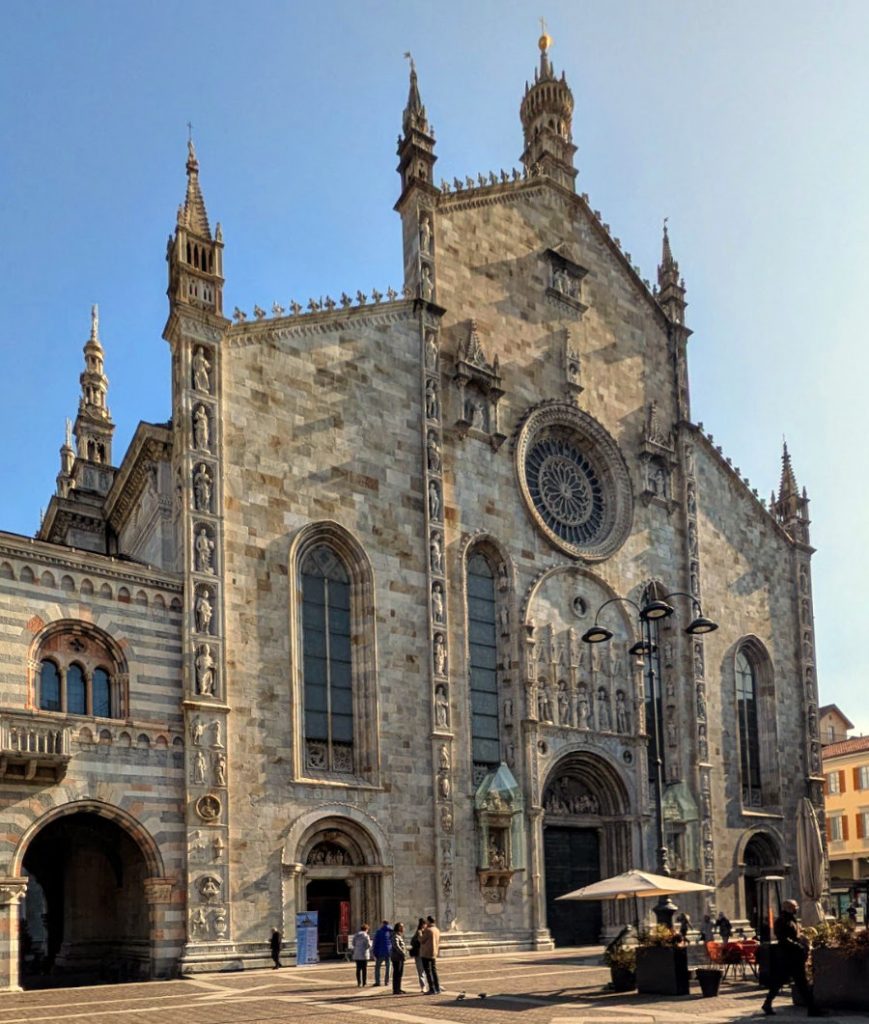
Piazza del Duomo, 22100 Como
The building of the Duomo in Como began in 1396 and was not completed until 1770. The spectacular west front was built between 1457 and 1498.
The ancient Cathedral (Cattedrale di Santa Maria Assunta-Duomo di Como) adjoins the Broletto di Como. The Piazza del Duomo is a popular destination to visit for visitors and locals alike.
Porta Torre
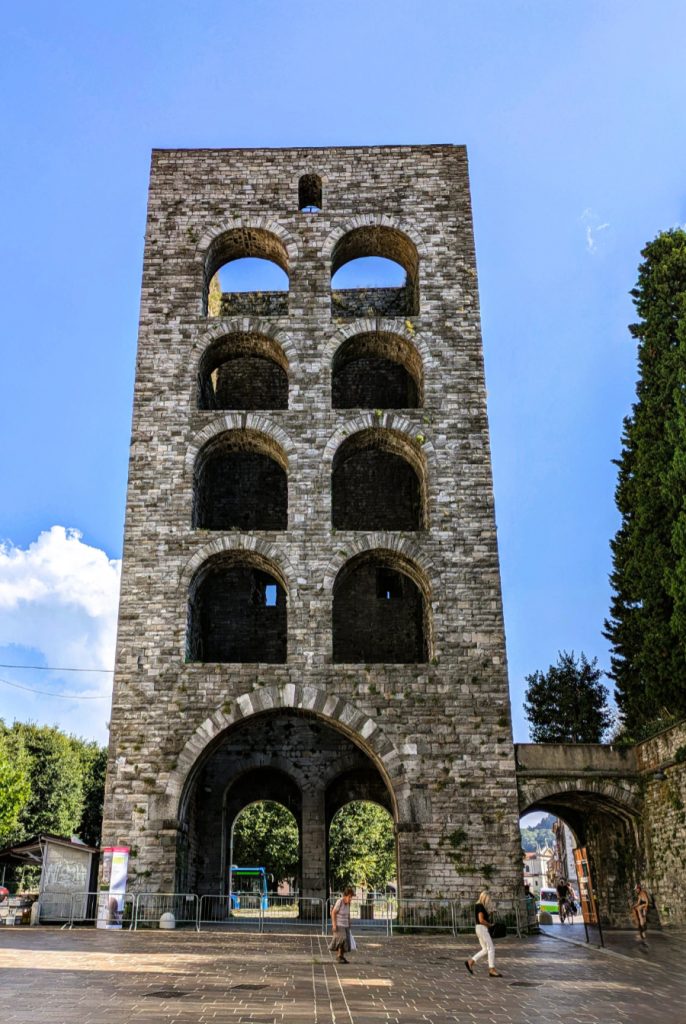
Piazza Vittoria, 22100 Como
Julius Caesar built the first city walls in the 1st Century. The three medieval towers that protected the City of Como are located on the south side of the city, with the lake located to the north.
The Porta Torre (tower) was built in 1192. It stands at 40 meters high with arches. This is a view from inside the city walls, and originally the main entrance to the City of Como.
Torre Gattoni
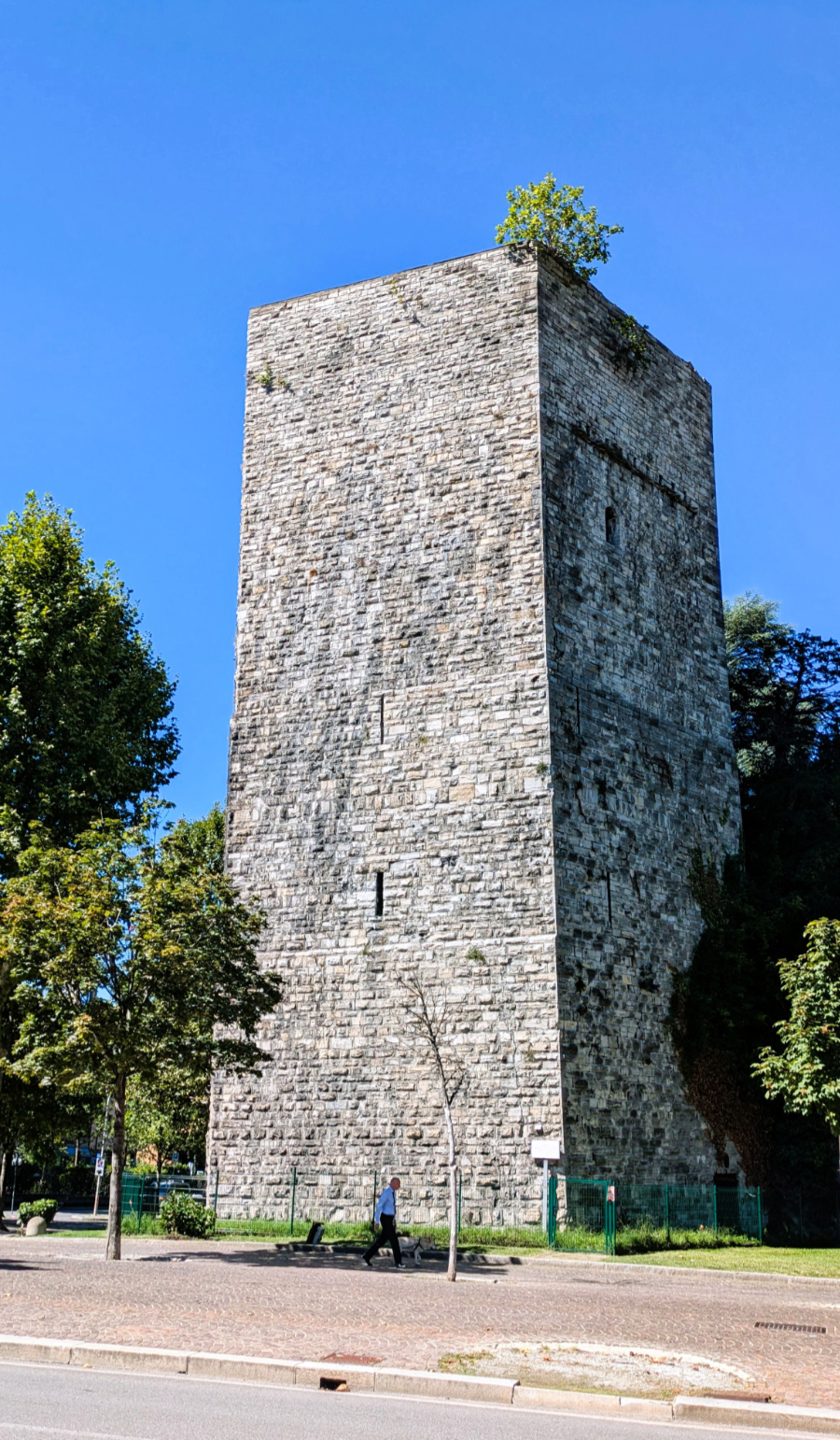
Viale Varese, 2, 22100 Como
Julius Caesar built the first city walls in the 1st Century. The three medieval towers that protected the City of Como are located on the south side of the city, with the lake located to the north. Situated on the left side of the city wall is the Torre Gattoni.
Torre di San Vitale
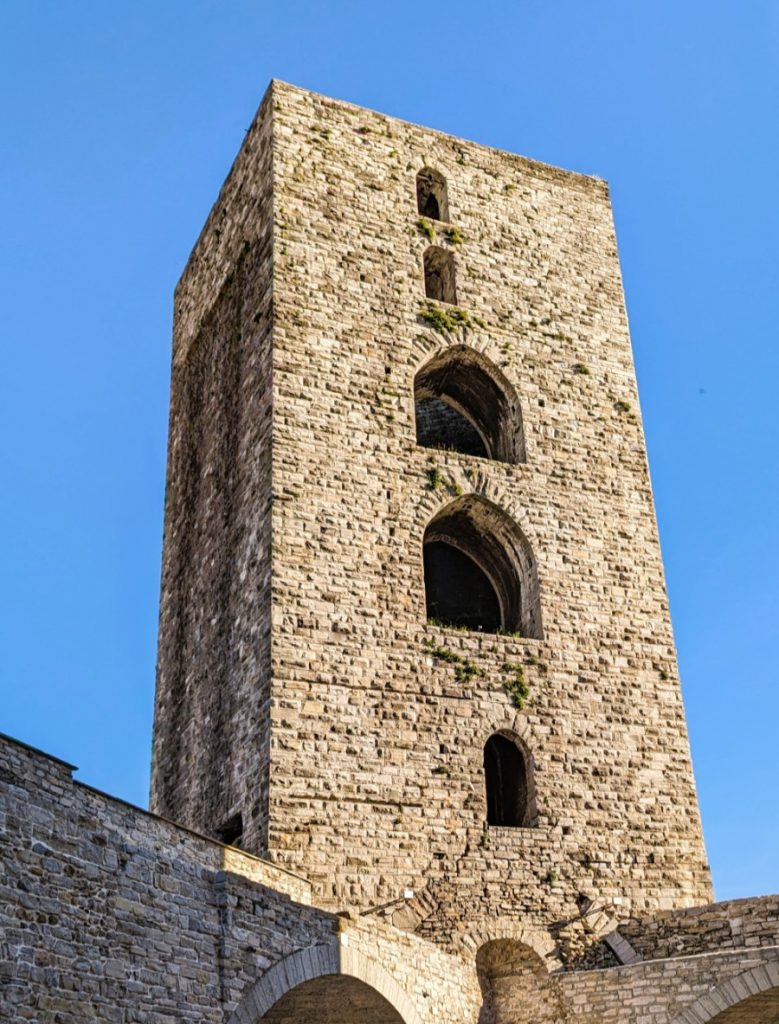
Viale Cesare Battisti, 8, 22100 Como
Julius Caesar built the first city walls in the 1st Century. The three medieval towers that protected the City of Como are located on the south side of the city, with the lake located to the north.
To the far right of the city wall, you will see the Torre di San Vitale located near the railway crossing.
Broletto di Como
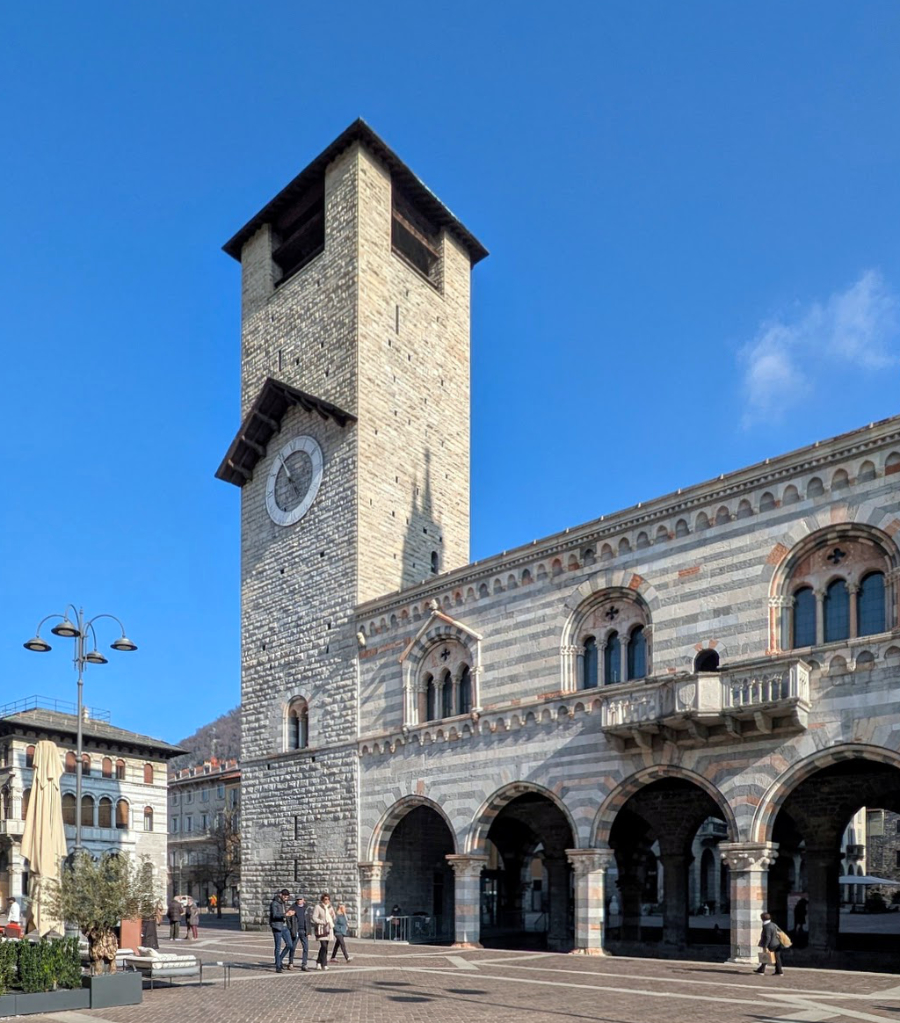
Piazza del Duomo, 22100 Como
The Broletto di Como adjoins the ancient Cathedral (Cattedrale di Santa Maria Assunta-Duomo di Como).
The construction dates back to circa 1215 and was built in the Gothic-Romanesque style, while the Renaissance elements of the façade date back to the 15th century.
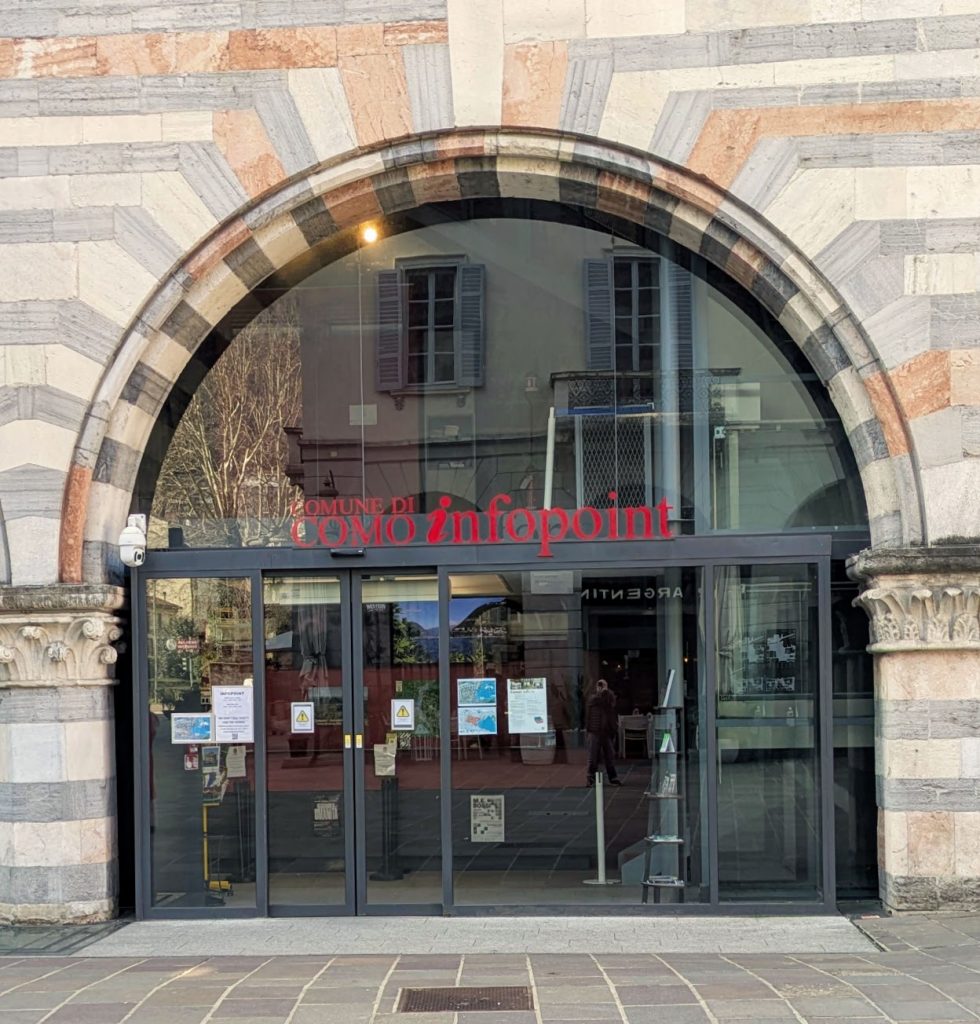
Today, the building is used for exhibitions, cultural events and behind the Brotello is the Comune di Como Infopoint – tourist information office, the staff are very helpful.
The Life Electric
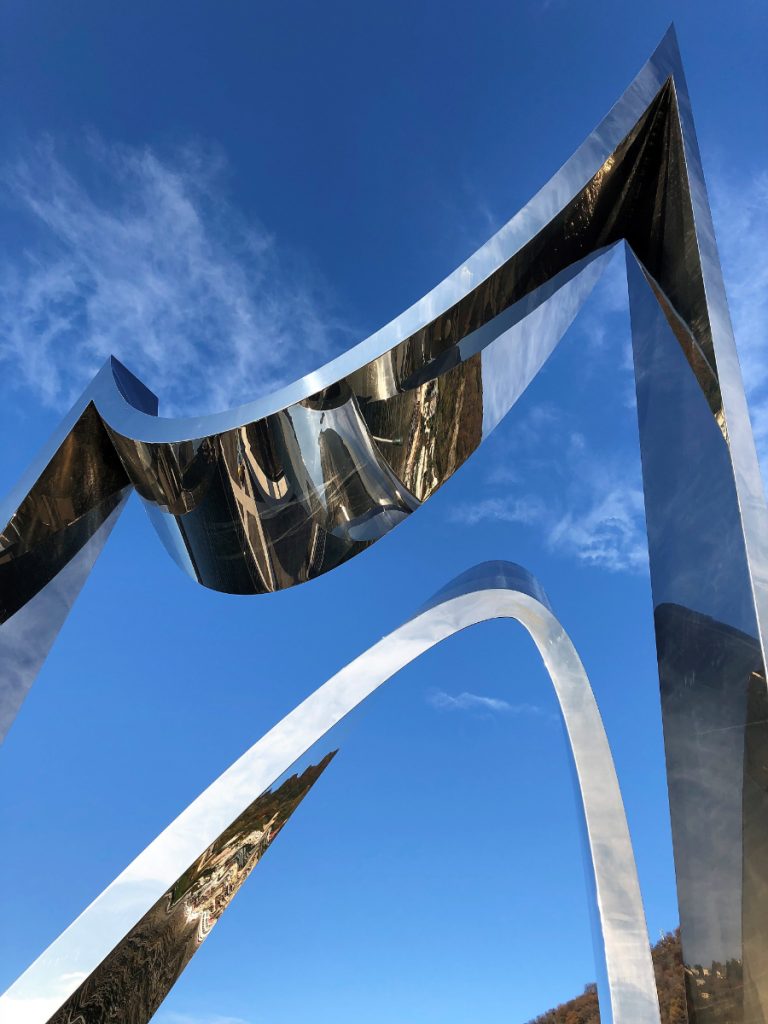
Diga foranea Piero Caldirola, 22100 Como
The Life Electric is a contemporary sculpture dedicated to the physicist Alessandro Volta (1745–1827). Designed by Daniel Libeskind and completed in 2015.
Situated at the end of Diga foranea Piero Caldirola on the front of Lake Como. A great spot to see boats leaving and arriving in the City of Como.
Basilica di San Fedele
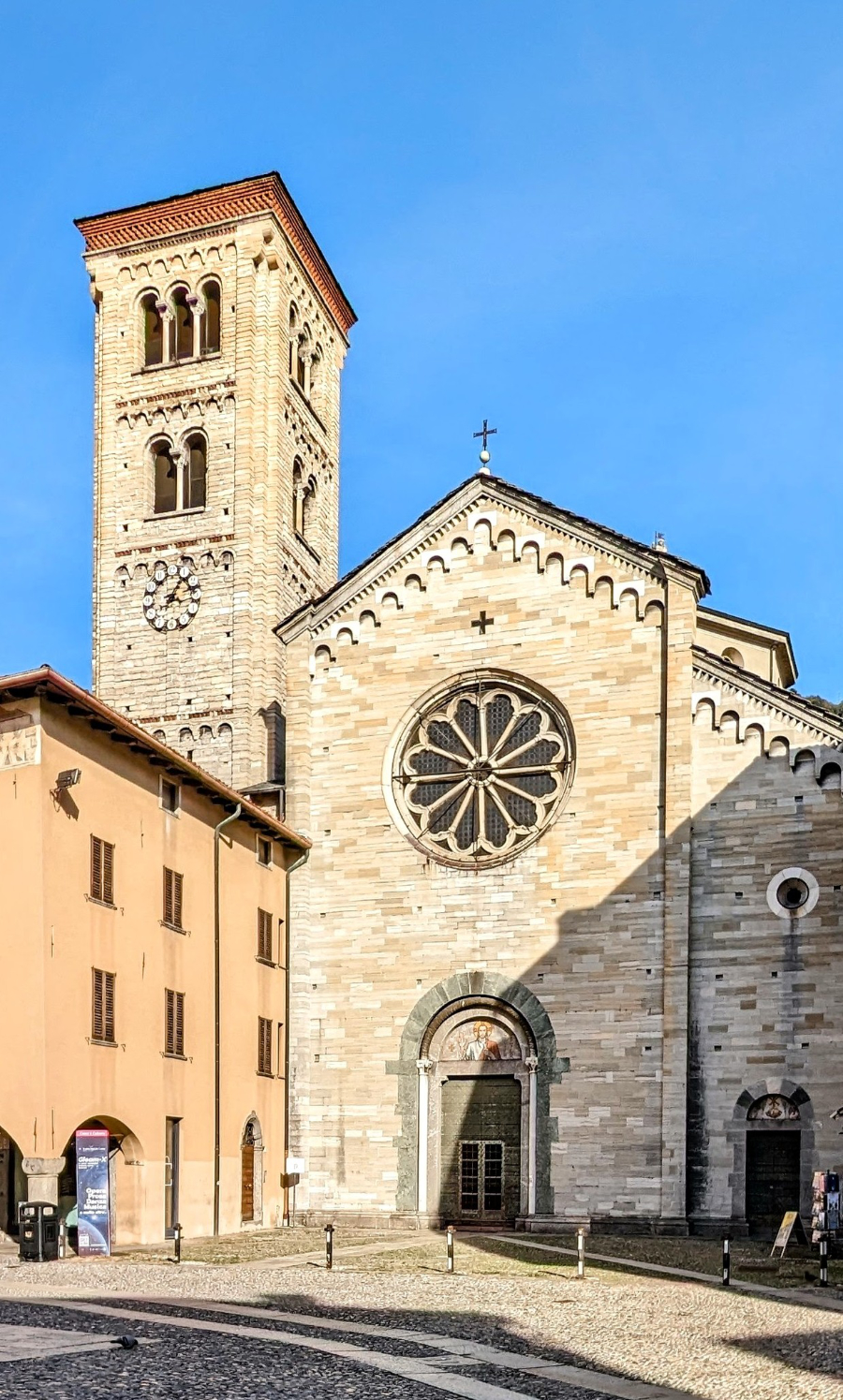
Piazza San Fedele, 22100 Como
The Basilica is located where the city’s corn market once stood and is dedicated to the martyr Saint Fidelis. In 964, San Fedele’s relics were translated to the Church of St. Euphemia. They are kept inside the marble sarcophagus under the 14th-century high altar.
It has a central Renaissance rose window, below which opens the portal with a lunette and arch. The construction dates back to circa 1215 and was built in the Gothic-Romanesque style, while the Renaissance elements of the façade date back to the 15th century.
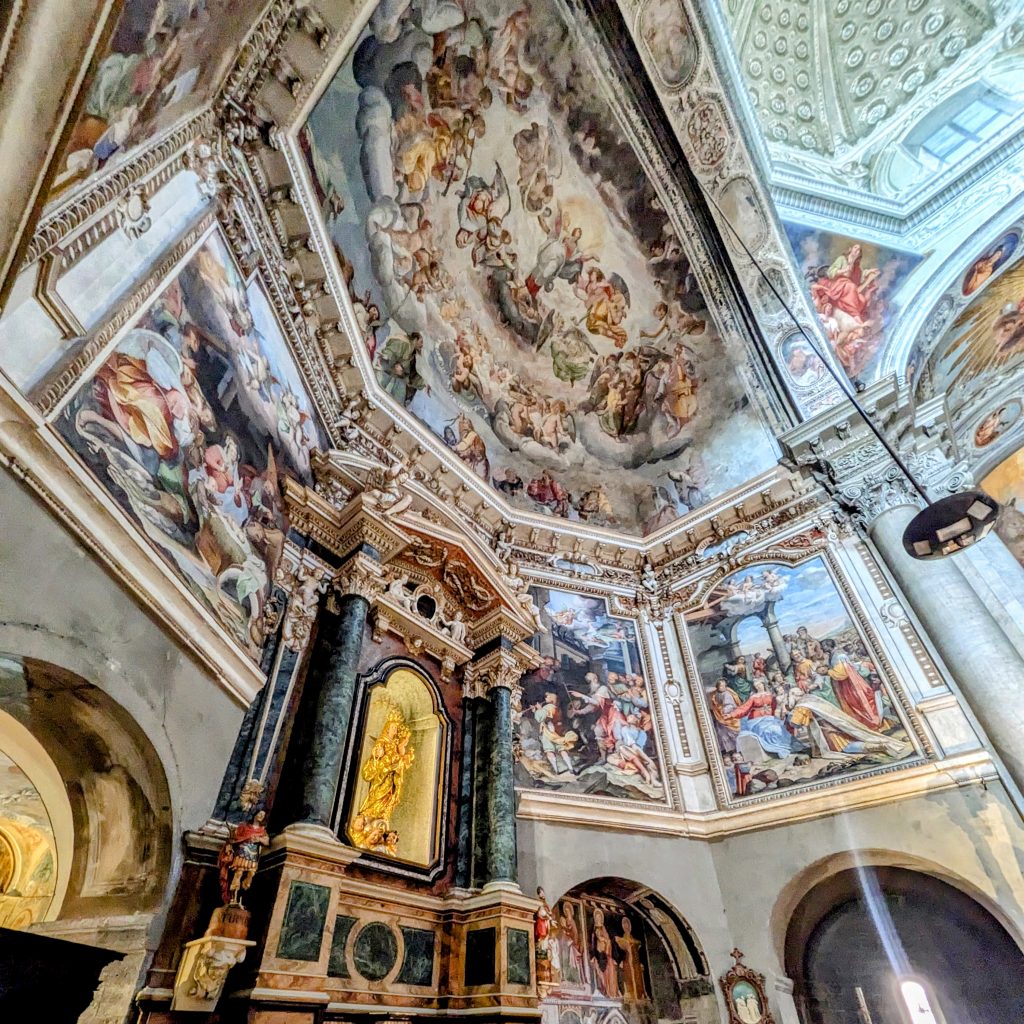
Inside the Basilica di San Fedele in the centre of the City of Como.
Teatro Sociale Como
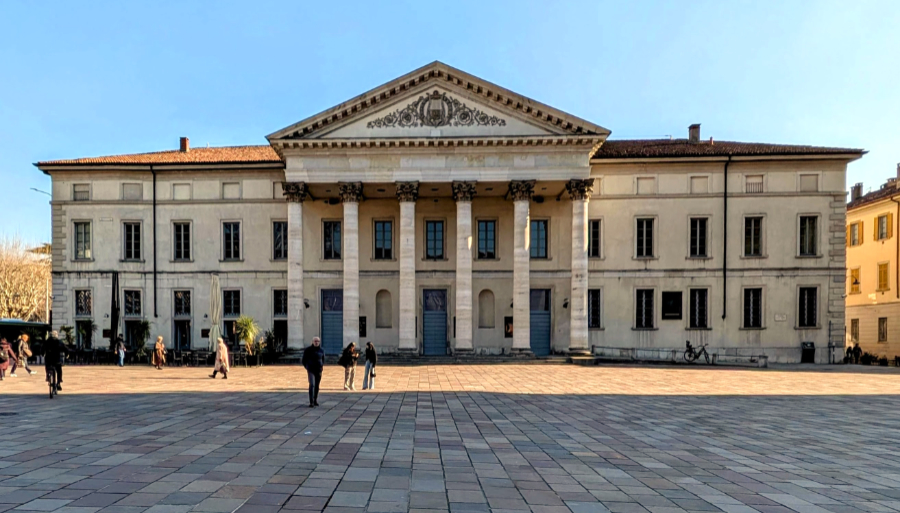
Via Vincenzo Bellini, 3, 22100 Como
The Teatro Sociale Como theatre was designed by the architect Giuseppe Cusi. Construction started in early 1812 and finished in August 1813, and it can seat 900 people.
In the 1930s, the theatre was turned into a cinema for a while. In 1944, it became the alternative opera house for the renowned Milan’s Teatro alla Scala (La Scala), which was badly damaged during the Second World War.
Villa Melzi d’Eril in Bellagio
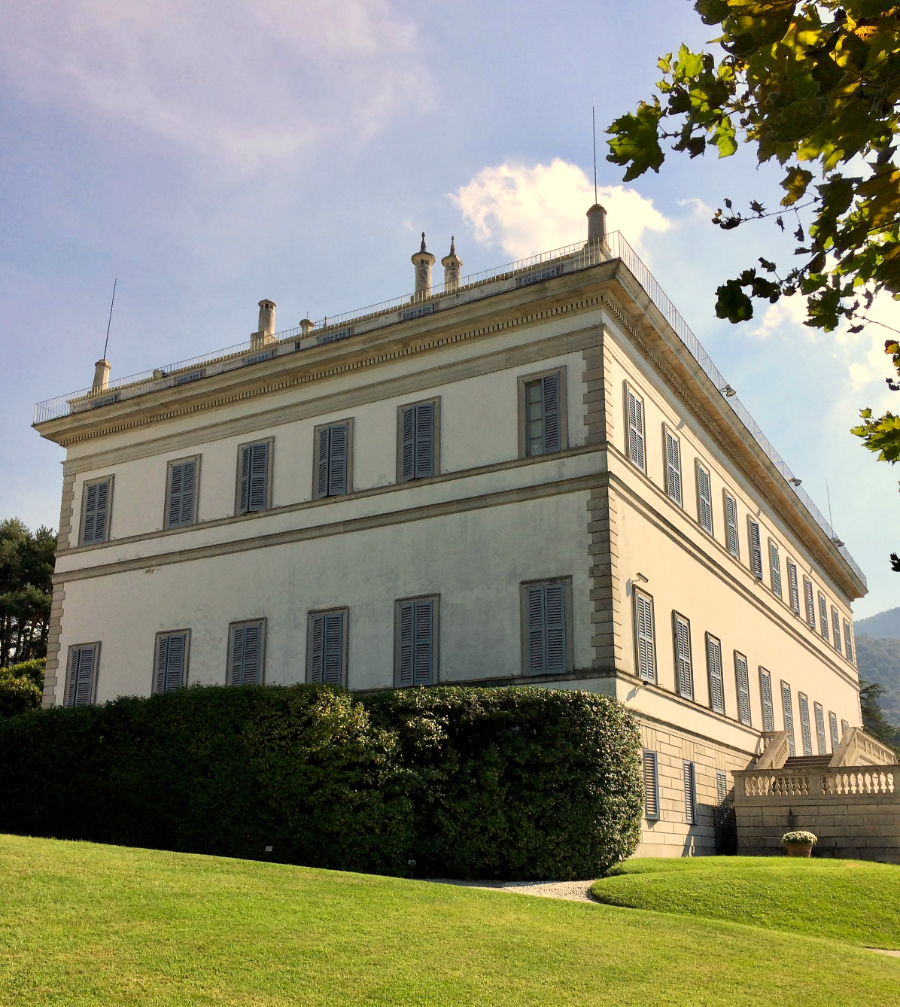
Lungo Lario Manzoni, 22021 Bellagio
The Villa Melzi D’Eril is located in Bellagio and was designed by Giocondo Albertolli in 1808 for Francesco Melzi d’Eril. The Villa Melzi d’Eril is a private residence and is not open to the public. However, the gardens are open to the public, usually from the 28th of March until the 31st of October. There is also a small museum (Francesco Melzi D’Eril and Napoleonic Italy) and a chapel to visit.
The English-style garden was designed by the architect Luigi Canonica and includes sculptures, American redwood trees, Japanese maple trees and a statue of the Egyptian Goddess Pacht.
The gardens are so peaceful and tranquil, and one of our favourite places.